



AD/PD™ 2026
March 17-21, 2025 | Copenhagen, Denmark
ALZFORUM CONFERENCE COVERAGE SERIES – AD/PD™ 2026
- The Big Picture: Three Inflection Points Mark the Amyloid Cascade
In a plenary at AD/PD, Bart De Strooper offered a vision of successive cellular struggles in Alzheimer’s pathophysiology, with key moments for therapeutic intervention. - AI for AD: Developers Throw Their Hats into the Ring
At AD/PD in Copenhagen, AI scientists competed for two $1 million prizes to develop products for AD research. - NLRP3 Inhibitor Passes Muster in Early Parkinson’s Trial
Anti-inflammasome drug appears safe, hits its intended target, and may help people move a little more easily. - Henrik Zetterberg’s Mantra: Heterogeneity, Heterogeneity, Heterogeneity
In Copenhagen, Henrik Zetterberg expounds on the next areas of focus in ADRD biomarker research and development. - A New Crop of α-Synuclein Tracers Enter Human Testing
At AD/PD, researchers presented early PET imaging studies in people with different synucleinopathies. - Posdinemab Epitaph: p-Tau217 Tanked but Dementia Marched On
The tau antibody was unable to slow cognitive decline or accumulation of new tangles, yet it completely ablated p-tau217 in CSF. - Adding eMTBR-Tau243 to %p-Tau217 Sharpens AD Diagnosis
Among people who are cognitively impaired, plasma p-tau217 frequently misdiagnoses Alzheimer’s disease. Adding eMTBR-tau243 helps with that. - An Old Cholinergic Drug Gets a New Chance in Phase 2
Following promising tolerability data, a compound targeting acetylcholine receptors is once again in clinical trials for Alzheimer’s disease. - Does α-Synuclein Immunotherapy Slow Parkinson’s, After All?
Phase 2 OLE data hints that prasinezumab halved the rate of decline in people who also took symptomatic drugs. Phase 3 has started. - Lewy Bodies Blunt Amyloid Immunotherapy. Trial to Measure by How Much
AD/PD 2026 offered the first data on less gantenerumab benefit in the presence of α-synuclein pathology. A new donanemab trial will investigate further. - Can New Strategies Beget Better Tau Immunotherapies?
An in-vivo propagation model identifies a more potent anti-tau antibody. A different bi-specific antibody to the C-terminal blocks tau seeding. - The Hunt Is on for Biomarkers in REM Sleep Behavior Disorder
In Copenhagen, researchers scrutinize RBD for hints of progression to Parkinson’s disease or dementia with Lewy bodies. - Aβ and Tau: What’s Their Dance at Plaques, Dystrophic Neurites?
At AD/PD 2026, flimsy lipid rafts, growing plaques, and subdued interneurons all take some blame for the rise in p-tau in the Alzheimer’s brain. - Munch, or Meditate? Astrocytes Tell Microglia What to Do
When astrocytes secrete MFG-E8, nearby microglia devour neuronal synapses. When astrocytes release Itgb8, microglia freeze up. - Lipids, Lysosomes, and Plaques: How ABCA7 Nudges Up Alzheimer’s Risk
Add To My AlzForum
Sans ABCA7, cells swell with lipids, lysosomes lose their mojo, and amyloid clearance falters. - Your Amyloid Load Determines When, and How Fast, Tangles Spread
PET sets 60-centiloid threshold for tangle take-off. How close they are to plaques drives how fast they spread. Remternetug Phase 3 enrolled accordingly. - Locking T Cells Out of the Brain Protects Mice Against Tauopathy
At AD/PD, scientists reported that T cell infiltration into the brain worsens neurodegeneration in tauopathy mice. - Phase 1: Anti-PD-L1 Antibody Clears First Safety Hurdle
In people with early AD, the checkpoint-blocking antibody roused peripheral T cells. It provoked immune-related adverse events. - Acetylated Tau, a Marker for … TDP-43 Pathology?
In CSF, acetylated tau rises much more in FTLD-TDP than in FTLD-tau or in Alzheimer’s disease. - Á la Aβ42, P-tau262 Falls in CSF as Alzheimer’s Disease Worsens
This biomarker might identify tau fragments that get subsumed into neurofibrillary tangles. - Can Acetylated α-Synuclein Identify Parkinson’s?
A new assay detects more N-terminal acetylated α-synuclein in blood and CSF of people with PD than in controls or in multiple system atrophy. - White-Matter Hyperintensities Lie at Crossroads of AD and Vascular Dementia
At AD/PD, scientists showed that AD triggers more WMHs than does cardiovascular disease. Both diseases likely contribute to the lesions’ cognitive consequences. - Made-to-Order: Microglial Replacements Can Serve as Couriers or Killers
Transplanted “CAR-microglia” go after specific targets. Other microglial transplants deliver progranulin. Monocyte-derived replacements wreak havoc. - CARs Driven By Microglia Bust Plaques
Chimeric antigen receptors expressed on microglia direct the cells toward specific targets. At AD/PD, “CAR-microglia” were shown to circle and phagocytose amyloid plaques. - Could Blocking the Complement Cascade Ward Off ARIA?
In mice, keeping C1q from binding amyloid antibodies slashed microhemorrhages and preserved blood vessels. Plaque clearance continued unabated. - Homing in on ARIA’s Cellular Villains: Macrophages, Fibroblasts
Both cell types hack away at the extracellular matrix, both damage blood vessels during amyloid immunotherapy. - Microglia: Must-Have for Plaque Clearance With Amyloid Immunotherapy
Amyloid antibodies unable to engage microglia had no effect on plaque in mice or in postmortem Alzheimer’s brain sections.
AD/PD 2026 highlights: Advancing early detection, diagnostics and therapeutics across neurodegenerative diseases
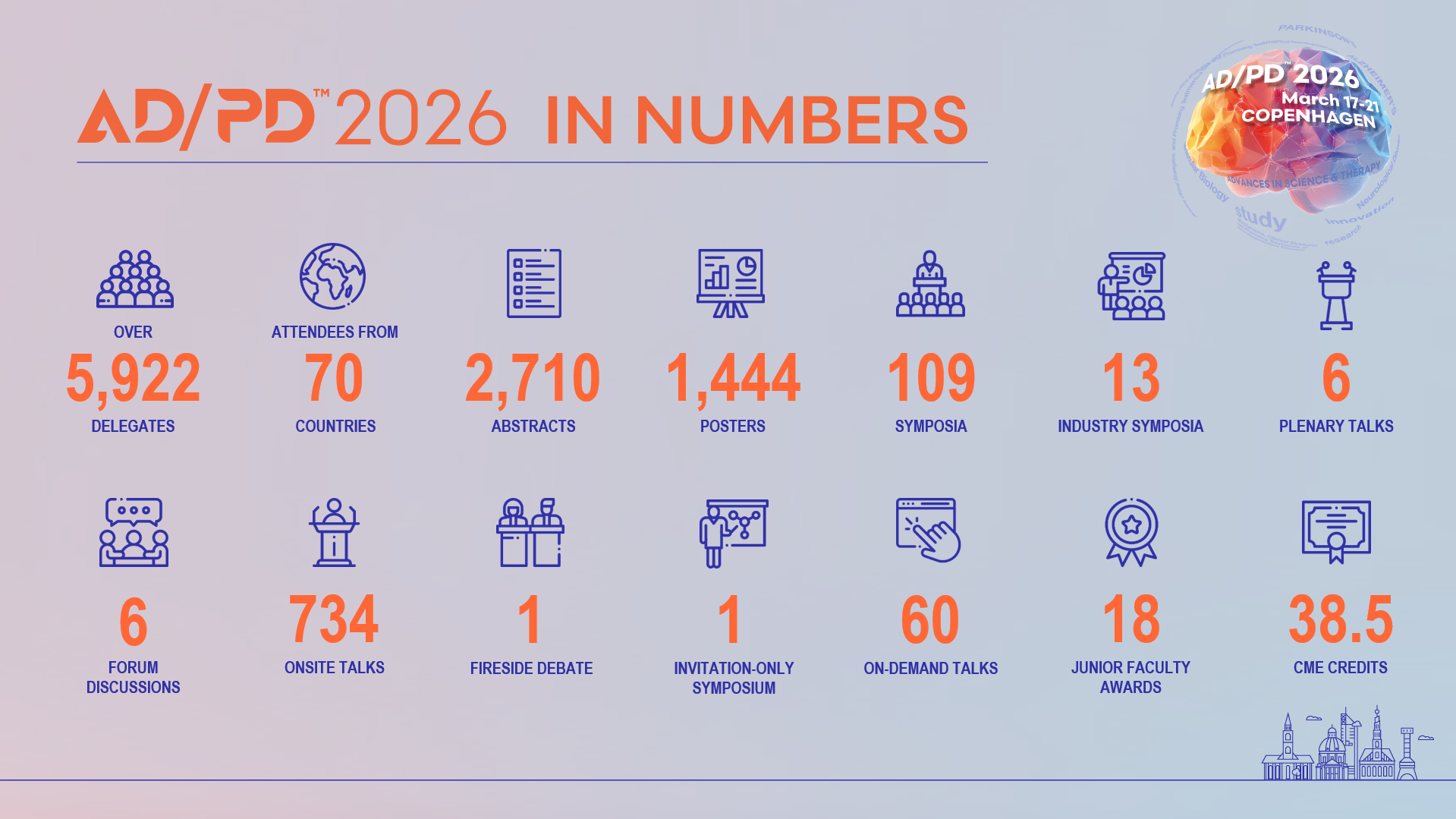
The Alzheimer’s and Parkinson’s Diseases Conference (AD/PD) 2026, held in Copenhagen, Denmark, brought together over 5,800 delegates to discuss advances across neurodegenerative diseases, including Alzheimer’s disease (AD), Parkinson’s disease (PD), amyotrophic lateral sclerosis (ALS) and related disorders.
What Alzheimer’s and Parkinson’s researchers can learn from each other
Last week at the scientific conference AD/PD 2026, researchers from across the world came together to share the latest developments in Alzheimer’s and Parkinson’s research. One of the clearest messages from the conference has been that these two conditions have more in common than once thought.
World Parkinson’s Day: AD/PD 2026 highlights
Saturday 11 April marks World Parkinson’s Day, commemorating the birthday of Dr James Parkinson, who first described the condition in 1817. To mark the occasion, the Department of Physiology, Anatomy and Genetics highlights the recent visit to the Alzheimer’s Disease and Parkinson’s Disease (AD/PD) 2026 conference in Copenhagen – moments that reflect the exciting progress being made in Parkinson’s research.
Insights from AD/PD 2026 in Copenhagen
The core takeaway from the week? We cannot continue to think of neurodegeneration as a monolith, but as a complex map of cellular vulnerability. The path forward will entail building a precision biotyping framework that understands this nuance.
NeurologyLive Conference Coverage
The AD/PD Alzheimer Disease and Parkinson Disease Conference features presentations related to the latest breakthroughs in translational research, drug development, early diagnosis, treatment, and clinical trials in Alzheimer, Parkinson, and other related neurological disorders.
Updates on Blarcamesine and Lecanemab for Alzheimer Disease From AD/PD 2026
AD/PD 2026 highlights oral blarcamesine preserving brain volume and IV lecanemab sustaining use while clearing amyloid-beta.
Inside AD/PD 2026: Emerging Breakthroughs in Alzheimer’s and Parkinson’s
Recently, the Medpace neuroscience team attended the AD/PD (Alzheimer’s & Parkinson’s Disease) 2026 Conference. The conference was especially compelling this year, with a wide range of breakthrough data and emerging therapeutic strategies presented across neurodegenerative disease research.
AI, Biomarkers and Biological Insights Converge at AD/PD 2026
At the 2026 International Conference on Alzheimer’s and Parkinson’s Diseases (AD/PD) in Copenhagen, Denmark, The Michael J. Fox Foundation (MJFF) was actively engaged on the ground, contributing to and closely tracking cutting-edge science while participating in critical discussions shaping the field.
Treating ALS: Multiple ALS Drugs Move to Phase 3 Trials
Three experimental ALS drugs are moving to Phase 3 trials, providing hope for a rare disease with few effective treatments.
Blood-Based Biomarkers, Inflammation, and Co-Pathologies Emerge as Key Themes at AD/PD
Henrik Zetterberg, PhD, Gothenburg University, University College London, and a guest professor at University of Wisconsin-Madison, one of the field’s most influential biomarker researchers, put the central theme plainly: “I think disease heterogeneity will be the mantra in the coming years, to dissect the molecular underpinnings of this heterogeneity.”
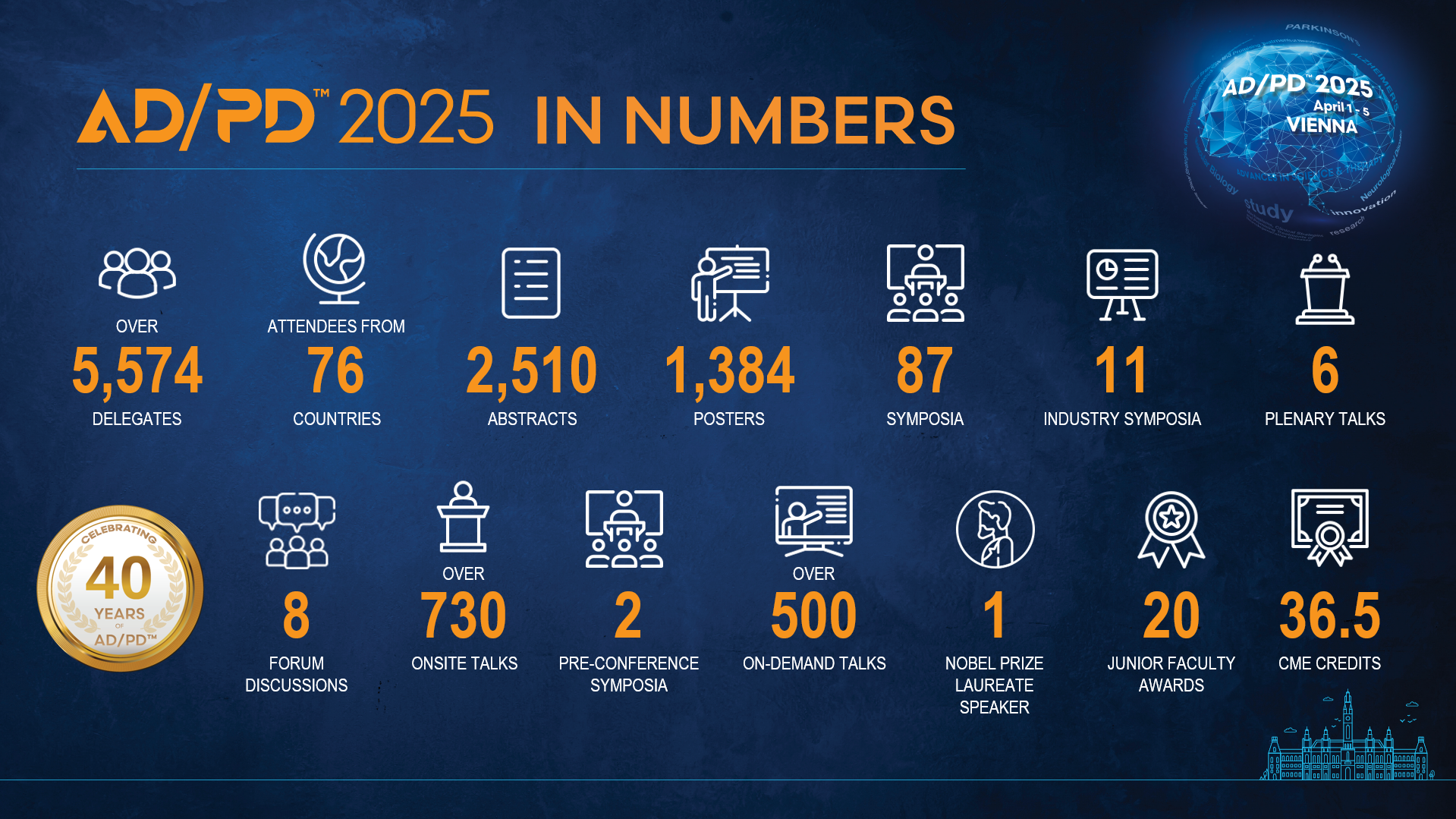
AD/PD™ 2025
April 1-5, 2025 | Vienna, Austria

Finally, PET Tracers For α-Synuclein Yield Signal in Idiopathic Parkinson’s
“Several tracers detect the low level of α-synuclein aggregates present in sporadic disease. None are ready for clinical use. ”New Partnership Forms to Harness AI for Alzheimer’s Research
“Drawing in researchers in academia, pharma, and AI companies, a nascent consortium aims to speed up discoveries in complex diseases. Smaller AI projects report data at AD/PD.”Moving Target: New Biology Casts TREM2 as a Shifty Mark
“TREM2 on plaque-associated microglia becomes desensitized to agonist antibodies. The receptor may also calm hyperactive neurons.”TREM2: A Chill Pill for Neurons?
“In mouse models, the microglial receptor counteracts hyperexcitability. Both transmembrane and soluble TREM2 seem involved.”Trialists Grapple with How to Outsmart TREM2
“After one TREM2 agonist antibody nose-planted, a new batch of therapies appear safe so far in first-in-human data. The drugs exert different effects on the receptor and soluble TREM2.”Tau PET as Progression Marker: It’s the Spread, Not the Brightness
“The spatial extent of tau pathology better correlates with disease severity, and stages disease more accurately, than does tangle load.”Looking Good: Immunoassays for Blood Markers
“Fully automated test may be as accurate as mass spec, and more scalable.”Blood Tests: Not Just for the Impaired?
“Real-world data hints that plasma markers can pick up Alzheimer’s pathology before people have memory complaints.”Will We Soon Stage Alzheimer’s With Plasma Markers?
“Tau fragments, alone or with other proteins, help identify people with lots of tangles. This may help select people for trials or therapy.”Trontinemab Fuels Hope for Brain Shuttle Lift-Off
“The TfR-targeted, anti-Aβ antibody swiftly axed amyloid throughout the brain. It caused little ARIA, but lots of infusion reactions.”Leqembi in the Clinic: So Far, ARIA Echoes Trials
“At AD/PD, clinicians from the U.S. and Israel shared data from a few hundred patients, reporting ARIA rates equal to, or lower than, those in trials.” “Antigens from the brain can tickle T cells in cervical lymph nodes, instigating a cytotoxic invasion. With ApoE4, more T cells enter.”Therapies Aim to Tame T Cells in the Brain
“At AD/PD, a handful of early trials showcased approaches to counteract harmful cytotoxic T cell responses in AD and related diseases.”Breaking the Spell: Checkpoint Inhibitors Help Microglia Snap Out of It
Next Act for Amyloid Immunotherapy: Be Safer, Target Tau, Too
“Eisai tests concurrent Aβ and tau immunotherapy in sporadic AD. Under-the-skin ‘remy’ avoids donanemab’s immunogenicity.”AD/PD™ 2024
March 5-9, 2024 | Lisbon, Portugal
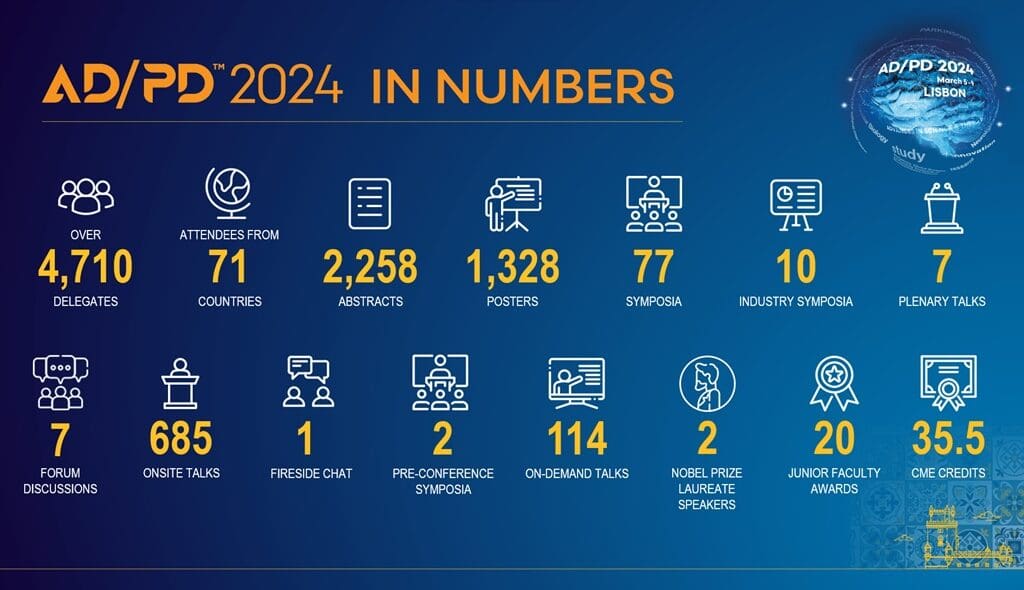
AD/PD 2024 Conference Highlights the Biological Era of Parkinson’s Disease
The AD/PD 2024 Conference highlighted significant advances in Parkinson’s research, emphasizing the shift into the “biological era” of the disease. The conference underscored the importance of biomarkers and imaging in developing therapies and fostering interdisciplinary collaboration to accelerate progress in understanding and treating neurodegenerative diseases.
BioWorld
Discover the latest breakthroughs in neurodegenerative disease research showcased at the AD/PD 2024 Conference. From innovative murine models to promising vaccines targeting α-synuclein for Parkinson’s and novel Alzheimer’s treatments, explore cutting-edge advancements in the field.
Fast Plaque Clearance with Little ARIA? So Teases Trontinemab at AD/PD 2024
“In a small dose-finding study, Roche’s new brain-shuttle-based anti-amyloid antibody mopped up nearly all plaques in three months, without triggering edema.”
TauRx Parses Subgroups to Make the Case for Methylene Blue Derivative, Again
“Based on exploratory endpoints and post hoc analyses, TauRx claims HMTM benefits a subgroup of participants with MCI. Trialists are unconvinced.”
At ADPD, Scientists Dissect the Ins and Outs of Tau Propagation
“New findings shed light on the intracellular processes that dictate tau seeding inside and between cells, and which forms are toxic to neurons.”
Could Sumoylation Take Down Tangles?
“The addition of SUMO2 to tau prevents its phosphorylation and aggregation, preserving synapses and memory in tauopathy mouse models.”
AD/PD™ 2023
March 28 – April 1, 2023 | Gothenburg, Sweden

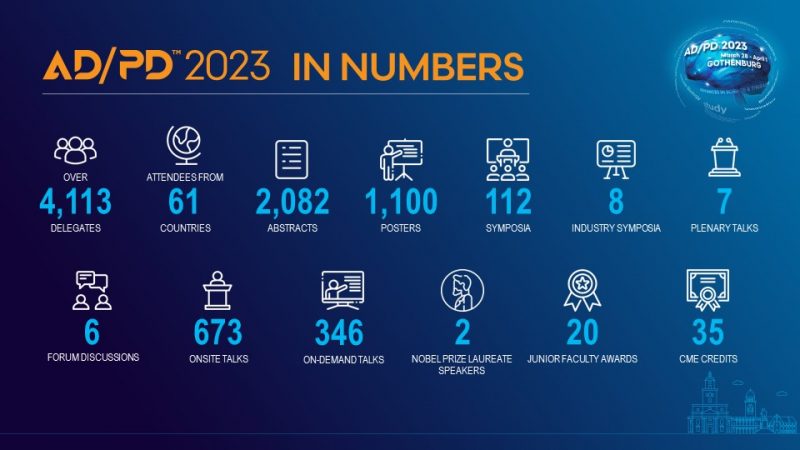
Precision Medicine in Alzheimer’s Disease – The Time Is Now! Highlights from the AD/PD 2023 Conference
“The Genedata Profiler team attended the conference to understand the opportunities and hurdles in the field to best serve this fast-evolving therapeutic landscape.”
Tau Chimeras Do Make Fibrils—and a Chaperone Rips Them Apart
“For almost 10 years, scientists around the world have been using cell-based fluorescent sensors to study the protofibrils that spawn neurofibrillary tangles in tauopathies. Some have claimed the tau chimeras seeded in these cells cannot twist into the same type of fibrils found in the brain. Not so, said Sarah Shahmoradian, University of Texas Southwestern Medical Center, Dallas, at the International Conference on Alzheimer’s and Parkinson’s Diseases 2023, held March 28 to April 1 in Gothenburg.”
Cuban science present at the most important global event on Alzheimer’s and Parkinson’s
“This event had more than 4,000 participants, from 62 countries, mostly from the United States and Europe. By representing Cuba in this important scenario of world leaders in neurodegenerative diseases, it recognizes the value of science made in the Caribbean nation.
Currently, and for the first time in the field of dementia in Cuba, it is developing a clinical trial with an advanced level of precision focused on Alzheimer’s disease.”
First Hit on Aggregated Tau: Antisense Oligonucleotide Lowers Tangles
“At the International Conference on Alzheimer’s and Parkinson’s Diseases, held March 28 to April 1 in Gothenburg, Sweden, Biogen researchers debuted the first data showing clearance of tau tangles in the brains of people with AD.”
Pumping Up Progranulin: Scientists Show New Efforts to Get it Done
“In people with deleterious variants of the progranulin gene, the halving of its encoded protein that results from these mutations leads to frontotemporal dementia. This comparatively straightforward haploinsufficiency mechanism casts progranulin restoration as a leading therapeutic target, and a handful of progranulin-boosting therapies have already made their way into clinical trials. At AD/PD, scientists presented preclinical data on potential therapies coming down the pike.”
New Data Presented at AD/PD™ 2023 Show Biogen’s BIIB080 (MAPT ASO) Substantially Reduced Tau Protein Levels in Patients with Early-stage Alzheimer’s Disease
“Biogen Inc. (Nasdaq: BIIB) reported new promising Phase 1b clinical data showing that the investigational antisense oligonucleotide (ASO) therapy, BIIB080, reduced soluble tau protein in cerebrospinal fluid (CSF) in a dose-dependent and sustained manner in patients with early-stage Alzheimer’s disease (AD).”
Altoida Announces Upcoming Poster Presentations at AD/PD 2023
“Altoida, Inc., a precision neurology company pioneering non-invasive brain health measurement and neurological disease diagnostics with AI and augmented reality (AR), today announced two poster presentations at the upcoming AD/PD™ 2023 International Conference on Alzheimer’s and Parkinson’s Diseases and related neurological disorders, on March 28–April 1, 2023 in Gothenburg, Sweden.”
Eisai Presented New Analyses of Aria And QOL on Lecanemab In Clarity Ad At The AD/PD™ 2023 Annual Meeting
“Eisai Co., Ltd. (Headquarters: Tokyo, CEO: Haruo Naito, “Eisai”) and Biogen Inc. (Nasdaq: BIIB, Corporate headquarters: Cambridge, Massachusetts, CEO: Christopher A. Viehbacher, “Biogen”) announced today that Eisai presented new analyses on amyloid-related imaging abnormalities (ARIA) with the use of antiplatelet and anticoagulant medications, isolated ARIA-H, and caregiver burden and health-related quality of life (QOL), from the results of Eisai’s Phase 3 Clarity AD study of lecanemab (generic name, U.S. brand name: LEQEMBI™), an anti-amyloid-β (Aβ) protofibril* antibody, at the 2023 International Conference on Alzheimer’s and Parkinson’s Diseases annual meeting AD/PD™.”
BioArctic: New lecanemab-data presented at the AD/PD™ 2023 conference
“BioArctic AB (publ) (NASDAQ Stockholm: BIOA B) and its partner Eisai has presented new findings on lecanemab (generic name, U.S. brand name: LEQEMBI™), an anti-amyloid beta (Aβ) protofibril antibody for the treatment of Alzheimer’s disease (AD), at the 2023 International Conference on Alzheimer’s and Parkinson’s Diseases and related neurological disorders (AD/PD™).”
AC Immune at AD/PD™ 2023 to Present New Clinical and Preclinical Data from its Precision Medicine Pipeline
“The ten presentations during this AD/PDTM conference demonstrate AC Immune’s progress towards our over-arching goal, which is to shift the treatment paradigm towards Precision Medicine and disease prevention.”
AD/PD™ 2022
March 15-20, 2022 | Barcelona, Spain

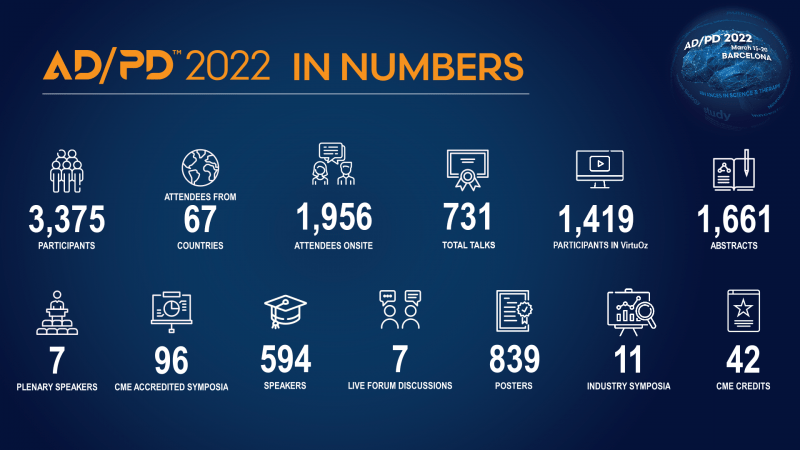
ALZFORUM CONFERENCE COVERAGE SERIES
Gantenerumab Prevention Trial in Sporadic Alzheimer’s Begins
“Taking a stab at secondary prevention, the four-year Phase 3 trial will assess the antibody’s ability to slow slippage in 1,200 cognitively healthy, amyloid-positive people.”
TAPAS Anyone? PyroGlu-Aβ Vaccine Shrinks Plaques in Mice
“At the 16th International Conference on Alzheimer’s and Parkinson’s Diseases held in Barcelona, Spain, and online, Thomas Bayer, University Medical Center Göttingen, Germany, described how the new antibody TAP01 binds a β-hairpin structure in soluble pyroGlu-Aβ.”
In First for the Field, α-Synuclein PET. Only for Multiple System Atrophy
“A new tracer detects α-synuclein aggregates in people with multiple system atrophy. Binding is weak, and undetectable in people with other synucleinopathies.”
New Data from Biogen Supports Aduhelm’s Clinical Effectiveness
Biomarkers: a Beacon of Hope for the Future of Alzheimer’s
“AD/PD™ showcased the latest research from the brightest scientists on the subjects. There was a variety of research, but one theme stood out: the promising nature of using biomarkers to diagnose and create personalized treatment plans for Alzheimer’s patients.”
ProMIS Neurosciences Presents Preclinical Results of its Experimental Alzheimer’s Vaccine at the 2022 International AD/PDTM Conference on Alzheimer’s and Parkinson’s Diseases and Related Neurological Disorders
“Customized vaccine selectively targets toxic amyloid-beta oligomers”
Diadem Presents Data at AD/PD™ 2022 International Conference Demonstrating Its New AlzoSure® Confirm Blood Test Has the Potential to Accurately Diagnose Alzheimer’s Disease
“Identified Specific Post Translational Modifications of a Conformational Variant of p53 that Represent Unique Signatures Indicating Whether or Not Individuals Have Alzheimer’s Disease”
Modern Age of Alzheimer’s Research on Display at 2022 International Conference
Cortexyme, SQZ, Others Present New Insights into Alzheimer’s and Parkinson’s
“The 2022 International Conference on Alzheimer’s and Parkinson’s Disease held virtually and in Spain late last week and this weekend has ended, but it reported on numerous research studies and insights into the diseases. Here’s a look at just a few of those stories.”
Latest Findings On Lecanemab – Clinical Efficacy, Aria Rates, Biomarkers Relationship To Clinical Outcomes And Dosing Regimens – Presented At AD/PD™ 2022 Annual Meeting
Athira Pharma Presents Study Overview and Baseline Data from ACT-AD Phase 2 Trial of Fosgonimeton in Mild-to-Moderate Alzheimer’s Disease at the 2022 AD/PD™ Congress
“The baseline data demonstrate that the patient population enrolled in the ACT-AD study are representative of the mild-to-moderate Alzheimer’s population and appropriate to evaluate the effectiveness of fosgonimeton on ERP P300 latency, a functional, objective measure of working memory processing speed”
New Alzheimer’s Insights: Potential Role of Lithium, Correlation to Naps
AlzeCure Presents New Data at AD/PD Meeting on NeuroRestore’s Positive Effect on Mitochondrial Function
“With these data we have shown that NeuroRestore substances such as AC-0027136 can improve memory ability as well as the mitochondrial function, i.e. the function of the cells’ “power plant”. The substances can thus potentially play an important role in the function and survivability of nerve cells in diseases such as Alzheimer’s”
AD/PD™ 2021
March 9-14, 2021 | Virtual Conference

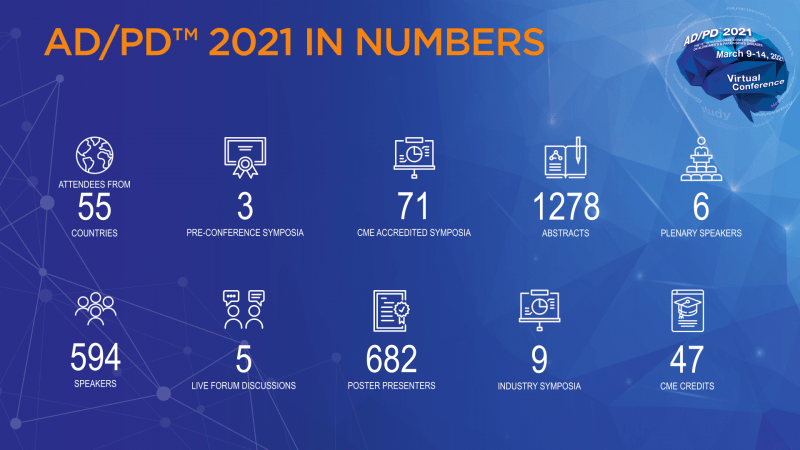
Donanemab Confirms: Clearing Plaques Slows Decline—By a Bit
“The Phase 2 trial provides the strongest evidence yet that removing most amyloid from the brain bolsters cognition, although the benefit is small.”
Astroglial Markers Poised for Stardom?
“A new PET tracer. Plasma glial fibrillary acidic protein. Two new, promising surrogates for astrogliosis are filling in the Alzheimer’s biomarker toolbox. Both reflect Aβ amyloid better than they do tau tangles.”
Shuttle Unloads More Gantenerumab Into the Brain
“New data presented at the AD/PD conference offer the first evidence that a brain-shuttle strategy can work in people; the lecanemab and aducanumab antibody programs offer small updates.”
N-Terminal Tau Antibodies Fade, Mid-Domain Ones Push to the Fore
“The field is shifting from targeting tau’s tips to its mid-region, especially where tau binds microtubules. Several new candidates are in the clinic; whether the strategy will work remains to be seen.”
Where to Now, Phospho-Tau?
“Researchers envision p-tau-based blood tests for Alzheimer’s disease within a few years, but maybe not a stand-alone test.”
Clinicians from Developing Nations Discuss Dementia in Their Populations
“As life expectancy increases in countries such as Nigeria, Brazil, China, and others, so does the number of people with dementia. How to provide modern care for them?”
New Mouse Models Better Mimic Tauopathy, Alzheimer’s
“Two mouse models presented at AD/PD may hand scientists more translationally relevant tools to explore LOAD pathophysiology and treatment. The tricks: targeted replacement and knocking in multiple GWAS variants.”
For α-Synuclein Immunotherapy, Is Going Later the Key?
“In the negative Phase 2 trial of prasinezumab, populations with more rapid decline benefited; this informed the design of a new Phase 2b study.”
COVID-19 Worsens Neurological Problems, Delirium
“At AD/PD 2021, clinicians discussed neurological symptoms and brain tissue damage in older people who died from COVID-19.”
Clinical Trials in COVID Era: How To Keep Moving Forward
“By shifting to home nursing and telemedicine, clinical researchers kept inching ahead during lockdowns.”
Drop of Hope? No Cognitive Worsening on BACE Inhibitor
“Data from Phase 3 trials of elenbecestat show no harm to cognition, leaving open a chance that the drugs could be used safely in the future.”
“New research implicates IL-6 signaling and even Aβ42 itself as BACE targets, complicating efforts to resurrect BACE inhibitors at a low dose.”
Does Synchronizing Brain Waves Bring Harmony?
“Based on early stage trials, scientists at AD/PD said that light and sound can promote neuronal communication, calm immune cells, and slow brain atrophy. On cognitive outcomes, the jury is still out.”
At AD/PD: More Evidence on Herpes and Alzheimer’s Disease
“Data from France and Germany bolster the proposed link between herpes virus and Alzheimer’s. Infection upped risk in ApoE4 carriers, damaged brain tissue, and correlated with neurodegeneration markers in the CSF.”
In Pilot Study, Electric Therapy Improves Memory
“At AD/PD, researchers reported that low-intensity electric current sent through the brain at gamma frequency restored cholinergic transmission and boosted short-term memory.”
AD/PD™ 2019
March 26-31, 2019 | Lisbon, Portugal

Cure in Mind, Cure in Sight – Bridging Eye and Brain Research
ALZFORUM CONFERENCE COVERAGE SERIES
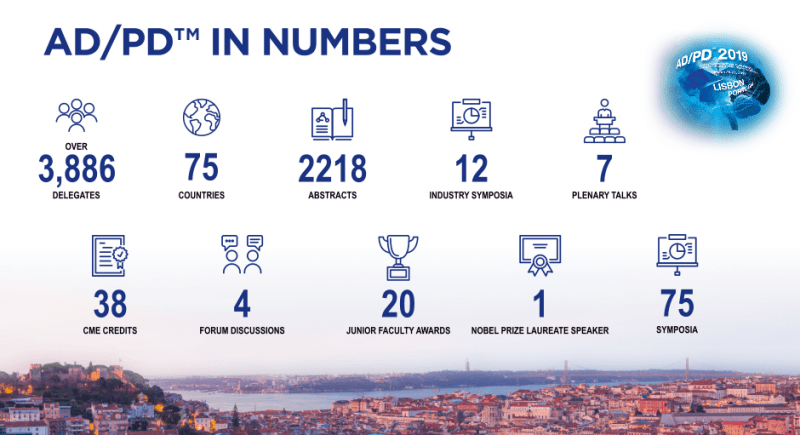
“Held in romantically beautiful Lisbon, this AD/PD was the biggest thus far, drawing 3,982 attendees from 73 countries”
At AD/PD Conference, New Alzheimer’s Genes Reinforce Known Pathways
“After years of grunt work on next-gen sequencing and expression analysis, geneticists are finally reaping results. The new genes underscore the role of known pathways and cell types in disease.”
Expression, Expression, Expression—Time to Get on Board with eQTLs
“A tool of modern genetics, expression studies link GWAS hits to specific cell types, providing clues to pathogenesis. Microglia come up again and again.”
APP Upp: Mutation Nixes Six Amino Acids from Aβ, Spurs Aggregation
“Presented at AD/PD, the discovery by scientists in Uppsala is the first APP deletion found to cause Alzheimer’s disease. The same group found the Swedish and Arctic APP mutations.”
Parsing How Alzheimer’s Genetic Risk Works Through Microglia
“Scientists at AD/PD 2019 see a Goldilocks of microglial activation: Both too little and too much is bad in an injured brain. How could a therapy make it just right?”
Could CD33 Be the Microglial Target for Stimulating Phagocytosis?
“Inhibiting the receptor activates microglia to mop up debris, making CD33 an attractive therapeutic target.”
Could Greasing the Wheels of Lipid Processing Treat Alzheimer’s?
“Speakers at AD/PD 2019 reported that AD risk factors mess up lipid metabolism in glial cells. In cellular models, speeding the clearance of fats lessened pathology.”
Chimeric Mice: Can They Model Human Microglial Responses?
“By slipping human microglia inside the mouse brain, researchers hope to better monitor their response to pathologies, such as Aβ.”
Spitting, Sniffing: Is This How We Will Dx Parkinson’s?
“Scientists are probing saliva and skin secretions for telltale signs of Parkinson’s disease. Their prize? A diagnostic test at the pre-motor stage.”
ARIAS: Zooming in On Eye-based Biomarkers for Alzheimer’s
“Scientists know that the retina changes in people with preclinical AD; alas, there is neither consensus nor convergence in the field of retinal imaging. An upcoming initiative aims to determine which measures are most robust.”
On The Docket at AD/PD: The Many Crimes of ApoE4
“Microglia cleanup, mitophagy, axonal plasticity, blood-brain barrier. A renewed focus on ApoE4 is revealing new ways in which this isoform renders the brain vulnerable to Alzheimer’s.”
Off-Balance Endocytosis Lays Groundwork for Disease
“By aging cultured neurons and manipulating them to stimulate endocytosis or interfere with vesicle release, researchers can bring about characteristics of Alzheimer’s—without adding APP or Aβ.”
Antibodies Against Microglial Receptors TREM2 and CD33 Head to Trials
“As data increasingly blame the microglia response as a driving force in Alzheimer’s disease, researchers are investigating whether tempering these cells will aid cognition.”
Do Immune Cells Promote the Spread of α-Synuclein Pathology?
“At AD/PD 2019, scientists implicated both peripheral and central innate immunity in promoting propagation.”
Forget Fibrils: Lewy Pathology Is More Lipid Than Protein
“An electron microscopy study reveals a jumbled mess of membrane chunks and malfunctioning organelles, bound together by phosphorylated or truncated α-synuclein.”
Keep Your Enthusiasm? Scientists Process Brutal Trial Data
“We are learning” was the tenor of debate about the latest round of setbacks for anti-amyloid trials in symptomatic Alzheimer’s disease at a recent conference in Lisbon.”
BACE Inhibitors: Postmortem on One, Live Updates on Two
“Lanabecestat, elenbecestat, and umibecestat all showed data at the AD/PD conference in Lisbon. Learn what definitely doesn’t work and what might yet.”
Human Microglia Make Themselves at Home in Mouse Brain
“Analysis of a chimeric mouse shows that the cells express the same genes they do in the human brain, survey their environment, and respond to injuries and amyloid.”
AAT-AD/PD™ 2020 – 2-5 April, 2020 | Virtual Meeting
AAT-AD/PD™ 2018 – 15-18 March, 2018 | Torino, Italy
AD/PD™ 2017 – March 29 – April 2, 2017 | Vienna, Austria
AD/PD™ 2015 – March 18-22, 2015 | Nice, France
AD/PD™ 2013 – March 6-10, 2013 | Florence, Italy
AD/PD™ 2011 – March 9-13, 2011 | Barcelona, Spain
AD/PD™ 2009 – March 11-15, 2009 | Prague, Czech Republic
AD/PD™ 2007 – March 14-18, 2007 | Salzburg, Austria
AD/PD™ 2005 – March 9-13, 2005 | Sorrento, Italy
AD/PD™ 2003 – May 8-12, 2003 | Seville, Spain
AD/PD™ 2001 – March 31 – April 5, 2001 | Kyoto, Japan
AD/PD™ 1997 – May 18-23 | Eilat, Israel
AD/PD™ 1993 – November 1-6 | Chicago, Illinois, USA
AD/PD™ 1993 – November 6-10 | Kyoto, Japan
AD/PD™ 1985 – March 24-27 | Eilat, Israel